Diablo 4 Best Builds Tier List: Season 14
A practical Diablo 4 build tier list for Season 14 covering S-Tier through D-Tier builds, the best build for every class, solo play, bossing, speed farming, leveling, Paragon, gear requirements, and build testing.
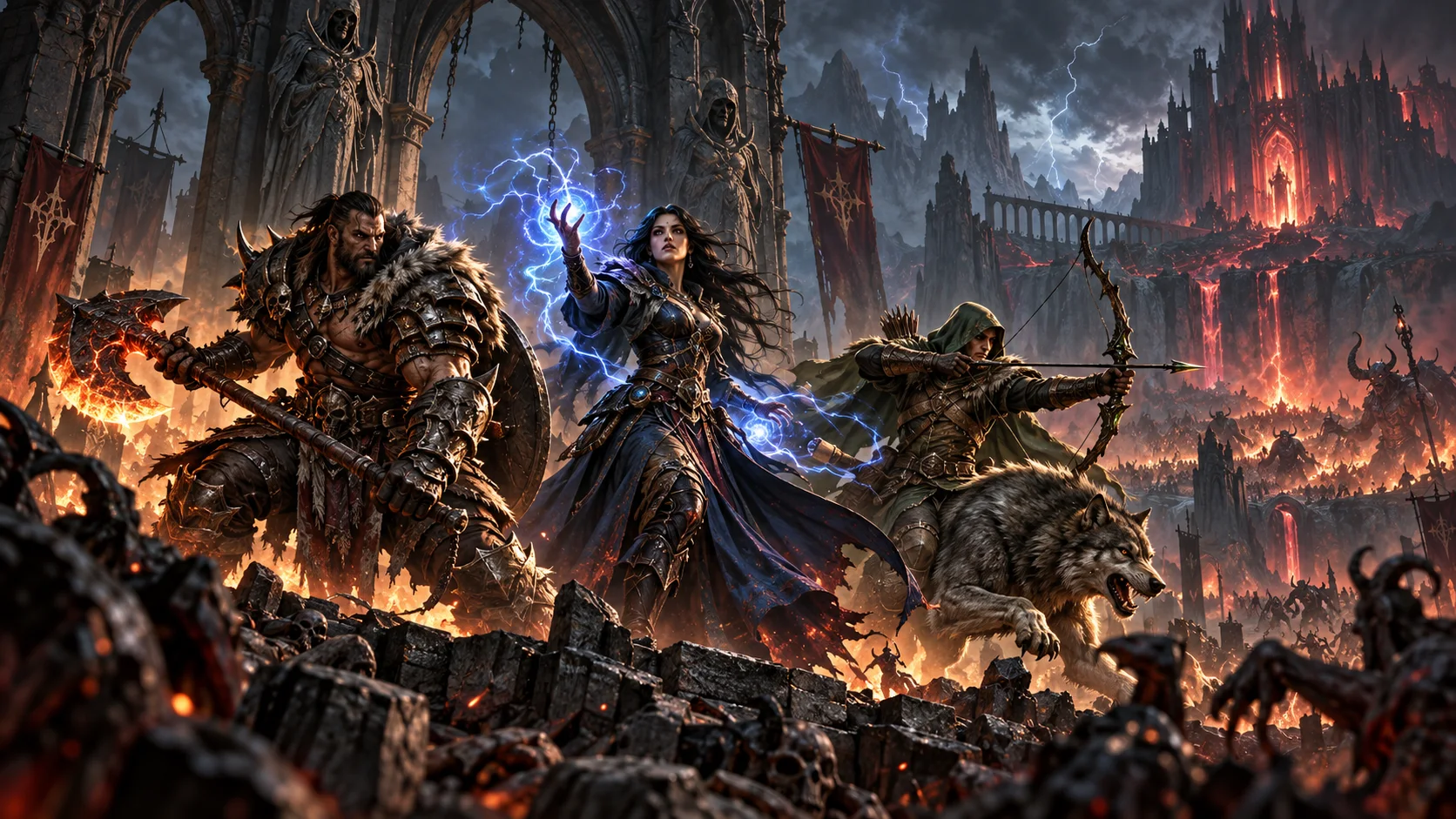
A Diablo 4 build is more than six skills on an action bar. The right combination connects damage, resource flow, defenses, gear powers, Tempering, and Paragon choices into one repeatable loop. This Season 14 tier list gives you a practical starting point for endgame, solo play, speed farming, bosses, and new characters without treating a ranking as a permanent rule.
Diablo 4 Best Builds Tier List Quick Overview
- Whirlwind Barbarian, Rabies Lacerate Druid, Auradin Paladin, Arbiter Paladin, and several Warlock builds are strong S-Tier starting points.
- Hammerdin Paladin, Wolf Companion Druid, Shadowblight Necromancer, HotA Barbarian, Static Field Sorcerer, and Payback Spiritborn are strong A-Tier options.
- Use B-Tier builds when you value a specific playstyle, item, or class fantasy more than the current leaderboard.
- Choose the class first, then compare the build's required Unique items, resource loop, and defensive plan.
- Leveling versions often use different skills from the final endgame setup. Do not copy an endgame build before its required items are available.
- Solo players should prioritize self-healing, mobility, and reliable area damage over a small theoretical damage lead.
- Review the tier list after class tuning, a seasonal mechanic change, or a major gear discovery.
Tier lists are snapshots. Season balance, boss health, item changes, and player execution can move a build quickly, so verify the live skill tooltips and current patch notes before spending rare materials.
Browse our hottest Diablo 4 Boosting services
Diablo 4 Masterworking
- One Named Item Slot
- Masterworking 0–10 or 0–25
- Piloted Upgrade
Diablo 4 Unique & Ancestral Gear
- 16 Named Unique Targets
- One Ancestral Slot & Stat
- Exact Realm & Method
Diablo 4 Mythic Uniques & Runes
- 13 Named Mythic Targets
- Crafted or Non-Crafted
- Separate Crafting Rune Bundles
Diablo 4 Build Review & Coaching
- Review 1–3 Characters
- Skills, Gear & Next Steps
- Coaching Participation
How This Diablo 4 Tier List Works
The ranking weighs endgame damage, clear speed, boss pressure, survivability, resource consistency, gear requirements, and how well the build handles real content. S-Tier means a build has an unusually strong package; it does not mean every player will perform better with it than with a familiar A-Tier setup.
Tier meaning
| Tier | Use it when… | What to expect |
|---|---|---|
| S | You want a strong push or efficient endgame farming | Excellent ceiling, strong scaling, or unusually complete utility. |
| A | You want a powerful build with a clearer trade-off | Reliable results with good gear and a known playstyle. |
| B | You value a specific skill, class, or item interaction | Viable for most content but needs more targeted investment. |
| C | You want an off-meta challenge or a niche matchup | More sensitive to gear, mechanics, or content selection. |
| D | You are experimenting or playing for fun | Expect lower efficiency and a larger execution burden. |
Season 14 Endgame Build Tiers
The list below groups the most useful current build directions by tier. Names describe the core skill or power interaction, while the exact talent, Aspect, and Paragon setup can change between patches and platforms.
Build tier list
| Tier | Builds | Best use |
|---|---|---|
| S | Whirlwind Barbarian; Rabies Lacerate Druid; Auradin Paladin; Arbiter Paladin; Blazing Abyss Warlock; Abyss Dread Claws Warlock; Hell Fracture Warlock; Hellfire Apocalypse Warlock; Minion Warlock; Quill Volley Spiritborn | Fast endgame clears, strong scaling, or excellent boss and pack pressure. |
| A | Hammerdin Paladin; Wolf Companion Druid; Shadowblight Necromancer; HotA Barbarian; Static Field Sorcerer; Payback Spiritborn; Rapid Fire Rogue; Penetrating Shot Rogue; Ball Lightning Sorcerer | Strong all-round builds with clear strengths and manageable weaknesses. |
| B | Pulverize Druid; Twisting Blades Rogue; Heartseeker Rogue; Lunging Strike Barbarian; Fireball Sorcerer; Blood Lance Necromancer; Bone Spirit Necromancer | Playable choices for a preferred fantasy or a specific gear collection. |
| C | Wind Shear Druid; Arc Lash Sorcerer; Flay Barbarian; Blood Surge Necromancer; Frozen Orb Sorcerer; Chain Lightning Sorcerer; Razor Wings Spiritborn | Niche or more demanding builds that need careful tuning. |
| D | Death Blow Barbarian; Incinerate Sorcerer; Meteor Sorcerer; Thorns Spiritborn; Rake Spiritborn; Fleshrender Druid; Ravens Druid | Challenge picks, legacy setups, or builds that currently need extra help. |
Best Build for Each Class
If you do not want to compare dozens of options, start with one build per class. These choices are useful anchors for the current snapshot, but you should still check the required items and whether you prefer speed farming, bosses, or pushing.
Class shortlist
| Class | Starting build | Why choose it |
|---|---|---|
| Warlock | Abyss Dread Claws | Strong close-range caster loop with mobility and layered multipliers. |
| Paladin | Auradin | Aura damage keeps the rotation simple while moving through packs. |
| Sorcerer | Static Field | Ranged pressure, movement tools, and reliable endgame scaling. |
| Necromancer | Shadowblight | Damage-over-time, grouping, and consistent area pressure. |
| Rogue | Rapid Fire | Safe ranged damage with strong single-target focus. |
| Druid | Rabies Lacerate | Poison spread followed by a burst detonation for fast clears. |
| Spiritborn | Quill Volley | Fast area damage with a clear resource and defensive rhythm. |
| Barbarian | Whirlwind | Straightforward spin-to-win gameplay from leveling into endgame. |
Best Warlock Builds
Warlock builds sit near the top because they combine strong damage scaling with defensive layers and several ways to keep pressure while moving. Abyss Dread Claws is the simplest starting direction in this list: maintain its transformation and resource loop, then use the main skill to clear packs.
Warlock build choices
| Build | Strength | Watch for |
|---|---|---|
| Abyss Dread Claws | Fast area damage and strong mobility | Needs key powers and enough survivability for close range. |
| Blazing Abyss | High pressure through Abyss interactions | Build timing matters when powers overlap. |
| Hell Fracture | Burst windows and strong endgame scaling | More dependent on a specific gear package. |
| Minion Warlock | Safer distance and a forgiving solo loop | Pet damage can scale differently across activities. |
Best Paladin Builds
Paladin offers several high-performing routes. Auradin is a comfortable choice for players who want to move through content while auras do much of the work. Arbiter and Hammerdin reward players who enjoy active positioning, timing, and a more deliberate damage window.
Paladin build choices
| Build | Strength | Watch for |
|---|---|---|
| Auradin | Simple aura-driven clear and high mobility | Stay close enough for the aura damage to reach targets. |
| Arbiter | Strong transformation windows and burst pressure | Cooldown and oath timing matter. |
| Hammerdin | Focused skill scaling and reliable area damage | Needs the correct resource and gear loop. |
| Blessed Shield | Defensive utility with a clear melee identity | Clear speed varies with target density. |
Keep your Diablo 4 build progression moving
Diablo 4 Masterworking
- One Named Item Slot
- Masterworking 0–10 or 0–25
- Piloted Upgrade
Diablo 4 Unique & Ancestral Gear
- 16 Named Unique Targets
- One Ancestral Slot & Stat
- Exact Realm & Method
Diablo 4 Mythic Uniques & Runes
- 13 Named Mythic Targets
- Crafted or Non-Crafted
- Separate Crafting Rune Bundles
Diablo 4 Build Review & Coaching
- Review 1–3 Characters
- Skills, Gear & Next Steps
- Coaching Participation
Best Druid Builds
Druid can pivot between poison, companions, storm, and earth-based setups. Rabies Lacerate is a strong general recommendation because it spreads poison through packs and converts that setup into a burst window. Wolf Companion is a more relaxed choice for players who prefer pets and controlled pacing.
Druid build choices
| Build | Best at | Player fit |
|---|---|---|
| Rabies Lacerate | Fast pack clear and poison burst | Players who like a clear setup-then-detonate loop. |
| Wolf Companion | Pet pressure and flexible solo play | Players who want a safer, lower-attention rotation. |
| Pulverize | Simple melee area damage | New players who prefer direct attacks. |
| Lightning Storm | Ranged area pressure | Players comfortable managing resource and positioning. |
Best Necromancer Builds
Necromancer builds cover damage-over-time, minions, blood, and bone. Shadowblight is a strong endgame anchor because it rewards layered shadow effects and grouping, while Minion or Blood Lance directions can be easier to pilot for a specific content goal.
Necromancer build choices
| Build | Strength | Watch for |
|---|---|---|
| Shadowblight | Layered damage-over-time and strong pack pressure | Needs cooldown and Essence planning. |
| Minion | Distance, safety, and steady damage | Pet survival and target selection matter. |
| Blood Lance | Burst windows and a clear single-target identity | Gear and resource requirements can be specific. |
| Bone Spirit | Large single-target hits | Missed windows are more expensive. |
Best Sorcerer Builds
Sorcerer builds reward movement and careful cooldown use. Static Field is the current starting point for players who want ranged pressure and strong mobility, while Ball Lightning, Ice Shards, and Fireball remain useful alternatives when their required gear is already available.
Sorcerer build choices
| Build | Best at | Watch for |
|---|---|---|
| Static Field | Ranged damage-over-time and mobility | Requires its conversion and cooldown package. |
| Ball Lightning | Close-range area pressure | Positioning and resource uptime are important. |
| Ice Shards | Control, safety, and predictable targeting | Needs clean movement in higher tiers. |
| Fireball | Explosive pack clear | Can feel weaker before the core powers arrive. |
Best Rogue Builds
Rogue has strong ranged and melee paths. Rapid Fire is a safe ranged recommendation with reliable single-target output. Penetrating Shot and Twisting Blades offer different clearing patterns, while Heartseeker and Dance of Knives are attractive when their supporting items are already in your stash.
Rogue build choices
| Build | Best at | Watch for |
|---|---|---|
| Rapid Fire | Boss damage and ranged safety | Resource and target alignment affect damage. |
| Penetrating Shot | Line-based pack clearing | Pull enemies into clean firing lanes. |
| Twisting Blades | Close-range burst and movement | Requires confident positioning. |
| Heartseeker | Fast basic-skill scaling | Depends on the correct support effects. |
Best Spiritborn Builds
Spiritborn builds can move quickly through packs while combining several Guardian and skill interactions. Quill Volley is a flexible endgame starting point because it scales both area and single-target damage, but Payback and Infinite Evade give different movement and defensive profiles.
Spiritborn build choices
| Build | Best at | Watch for |
|---|---|---|
| Quill Volley | Area pressure and steady boss damage | Close-range positioning improves multi-hit damage. |
| Payback | Burst and reactive damage | Needs the right defensive timing. |
| Infinite Evade | Mobility and speed farming | Less comfortable when movement is restricted. |
| Touch of Death | Strong single-target and poison windows | Requires precise setup before the burst. |
Best Barbarian Builds
Whirlwind remains the most approachable Barbarian choice because it has a clear resource loop and can level smoothly into endgame. HotA and other weapon-focused directions can outperform it in a specific activity, but they ask for more precise timing or gear.
Barbarian build choices
| Build | Best at | Watch for |
|---|---|---|
| Whirlwind | Simple movement and area damage | Resource generation must keep the spin active. |
| HotA | Burst on elites and bosses | Timing and Fury management are central. |
| Upheaval | Large direct hits and pack control | Needs setup before the strongest attacks. |
| Double Swing | Fast melee pressure | Uptime and positioning affect the ceiling. |
Solo, Bossing, and Speed-Farming Picks
One build rarely dominates every activity. A boss setup values single-target burst, a speed-farming setup values movement and area clear, and a solo setup needs enough defenses to recover from mistakes. Keep a second loadout or a simple respec plan when your season goal changes.
Choose by activity
| Activity | Good starting picks | Why |
|---|---|---|
| Solo endgame | Abyss Dread Claws, Auradin, Shadowblight, Quill Volley | Self-sufficient damage with useful defensive layers. |
| Boss farming | Static Field, Rapid Fire, Rabies Lacerate, HotA | Strong priority damage and burst windows. |
| Speed farming | Whirlwind, Auradin, Quill Volley, Infinite Evade | Mobility, pack clear, and low downtime. |
| High-tier push | Blazing Abyss, Shadowblight, Arbiter, Static Field | Scaling, defenses, and reliable mechanics. |
| New character | Whirlwind, Pulverize, Ice Shards, Minion | Clear core loop and less demanding early gear. |
Leveling Build vs Endgame Build
An endgame build assumes the player already has specific Aspects, Unique items, Temper manuals, and Paragon choices. A leveling build should kill packs with common drops and remain stable while the character is changing every few levels. Transition after the core gear arrives, not because a guide says the final build is fashionable.
Build transition rules
| Stage | Use | Change when… |
|---|---|---|
| Early campaign | Simple skill loop and general defenses | A core Aspect or class mechanic becomes available. |
| Late campaign | Damage and mobility setup | The build clears elite packs without long pauses. |
| World Tier transition | Sacred or Ancestral-friendly version | The required gear and resistance plan are ready. |
| Endgame | Full Aspect, Tempering, and Paragon package | You can farm the target content consistently. |
Gear Requirements and Build Readiness
Before choosing a build, check its minimum requirements. A tier list assumes the build has its defining power, a workable resource loop, enough defenses, and a Paragon board that supports the skills. A higher-ranked build can feel worse than a lower-ranked one when it is missing two required items.
- List the mandatory Unique items and their target sources.
- Check whether the build needs a specific Tempering manual or Aspect roll.
- Confirm the resource loop works before pushing a higher World Tier.
- Use the recommended skill ranks and passives before judging damage.
- Set a defensive breakpoint before adding more offensive multipliers.
Paragon, Glyphs, and Build Scaling
The Paragon board turns a good skill setup into a complete endgame build. Prioritize the route that reaches your main damage multipliers, defensive nodes, and glyph sockets without spending points on disconnected bonuses. Glyph levels can matter as much as a small item upgrade once the character is already geared.
Paragon priorities
| Priority | Why it matters |
|---|---|
| Main damage multiplier | Raises the skill or tag that the build uses every pull. |
| Resource and cooldown nodes | Keeps the rotation active instead of waiting between casts. |
| Defensive board path | Lets the build survive the content it is designed to push. |
| Glyph sockets | Adds efficient scaling when glyph levels are high enough. |
| Board order | Reaches key legendary nodes without wasting travel points. |
Solo Self-Found and Off-Meta Builds
Solo Self-Found changes how you evaluate a build because trading and easy item access are no longer part of the plan. Choose a setup that functions with common Aspects, can farm its own materials, and does not depend on one extremely rare Unique before it becomes playable.
SSF build test
| Question | Pass when… |
|---|---|
| Can it level with common drops? | The early version clears campaign and World Tier content. |
| Does it have a self-contained resource loop? | The build does not rely on a traded item to start working. |
| Can it target its own upgrades? | The next power comes from an activity you can run yourself. |
| Does it survive without group support? | Defenses and recovery are part of the normal rotation. |
How to Test a New Build
- Equip the minimum Aspects and use the intended skills for at least one full dungeon.
- Run a familiar activity without changing gear after every pull.
- Check resource uptime, deaths, clear speed, and boss damage separately.
- Fix the largest bottleneck with one item, Paragon node, or defensive adjustment.
- Only then spend rare materials on Masterworking or a permanent respec.
Common Build Tier List Mistakes
- Copying the final endgame build before its required Unique items are available.
- Using a boss build for speed farming and assuming the class is weak.
- Ignoring defenses because a tier list screenshot shows only damage.
- Spending rare materials before testing the resource and cooldown loop.
- Changing builds after one bad dungeon instead of checking the activity mismatch.
- Treating an S-Tier label as more important than comfort and execution.
- Skipping Paragon and glyph upgrades while chasing another random item drop.
Diablo 4 Build Selection Checklist
Before committing
| Check | Ready when… |
|---|---|
| Goal | You know whether you want leveling, speed farming, bosses, solo, or pushing. |
| Required gear | You know the mandatory Aspects, Uniques, and Tempering manuals. |
| Rotation | The main resource and cooldown loop works in a real dungeon. |
| Defenses | The build survives the intended World Tier and activity. |
| Paragon | The board and glyph route matches the skill tags. |
| Upgrade path | You know the next one or two upgrades and where to farm them. |
A Practical Build Testing Session
Session length
| Time | Best action |
|---|---|
| 15–30 minutes | Test the rotation in an easy dungeon and check resource uptime. |
| 1 hour | Run Helltide or Whispers and compare pack clear with the intended activity. |
| 2–3 hours | Target the missing Aspect or Unique, then repeat the same dungeon for a fair test. |
| Build change | Change one major variable at a time so you know what improved. |
| Weekly reset | Review patch notes, tier shifts, and the market before investing. |
Diablo 4 Best Builds FAQ
What are the best Diablo 4 builds right now?
The current shortlist includes Whirlwind Barbarian, Rabies Lacerate Druid, Auradin Paladin, Arbiter Paladin, Abyss Dread Claws Warlock, Shadowblight Necromancer, Static Field Sorcerer, Rapid Fire Rogue, and Quill Volley Spiritborn.
What is the simplest build to start with?
Whirlwind Barbarian, Pulverize Druid, Ice Shards Sorcerer, and Minion Necromancer are approachable starting points when you want a clear rotation.
What is the strongest build in Diablo 4?
The answer changes by class, activity, gear, and patch. Abyss Dread Claws Warlock and the other S-Tier builds are strong starting points, but execution and required items still matter.
Which build is best for solo play?
Choose a setup with self-recovery, mobility, reliable area damage, and defenses. Auradin, Shadowblight, Quill Volley, and several Warlock builds fit that profile.
Can I use an endgame build for leveling?
Usually not without changes. Leveling versions use easier-to-find powers and simpler resource loops until the final gear arrives.
How do I change from one build to another?
Collect the required Aspects and items first, respec skills and Paragon together, then test the new rotation in a safe activity before pushing.
Do I need every Unique item listed by a guide?
Only the items marked as build-defining are mandatory. Other pieces can often be replaced while you farm.
Should I prioritize damage or defenses?
Use enough defenses to survive the intended activity, then invest in damage. A dead character has no damage uptime.
How often does the tier list change?
Review it after major patches, seasonal mechanics, item changes, and new class tuning rather than after every small hotfix.
Can an off-meta build clear endgame?
Yes. Off-meta builds can clear serious content with good gear and execution, but they may need more time or more precise play.
Sources and Patch Context
Skill balance, class systems, item powers, and seasonal mechanics change, so verify the live patch and build requirements before investing rare resources.
- Official Diablo site: https://diablo4.blizzard.com/